

























































How Local Basketball Leagues Build Stronger Fan Communities in the Philippines
Daftar Isi
MANILA – A basketball team can do more for a town than entertain it on weekends. In the Philippines, provincial clubs have turned gyms into meeting places for whole communities. The effect is easiest to see in leagues built around cities and provinces. Find the nearest club to your barangay and watch what happens on game night.

Gyms That Double as Town Squares
Local leagues play in municipal venues that hold a few thousand people. Tickets stay cheap because the buildings are small and the costs are modest. Neighbours sit near the floor, and players hear every word from the stands. Vendors outside the door do steady business on any home date. A game becomes a place where people from one town meet each week.
The same crowd carries its conversation onto phones once the final buzzer has sounded. Filipinos rank among the world’s heaviest users of social platforms by time spent daily. Group chats that argue about rosters also discuss esports betting during the Mobile Legends season. That title draws the largest online audience in the country, and its finals fill feeds.
Those two worlds share the same audience and very often the same group chats. A fan who watches a provincial final on Facebook also follows an MPL series on YouTube. Both of these habits run on a phone rather than on a television set. Local clubs benefit because the attention never has to leave the device. Community pages then turn that attention into ticket sales for the next home game.
Rosters Made of Familiar Names
Community feeling depends heavily on who actually wears the jersey. Rules in the MPBL require each club to field at least three homegrown players. Those players went to school in the province and are known by name. Supporters treat them as neighbours who happen to play basketball for a living.
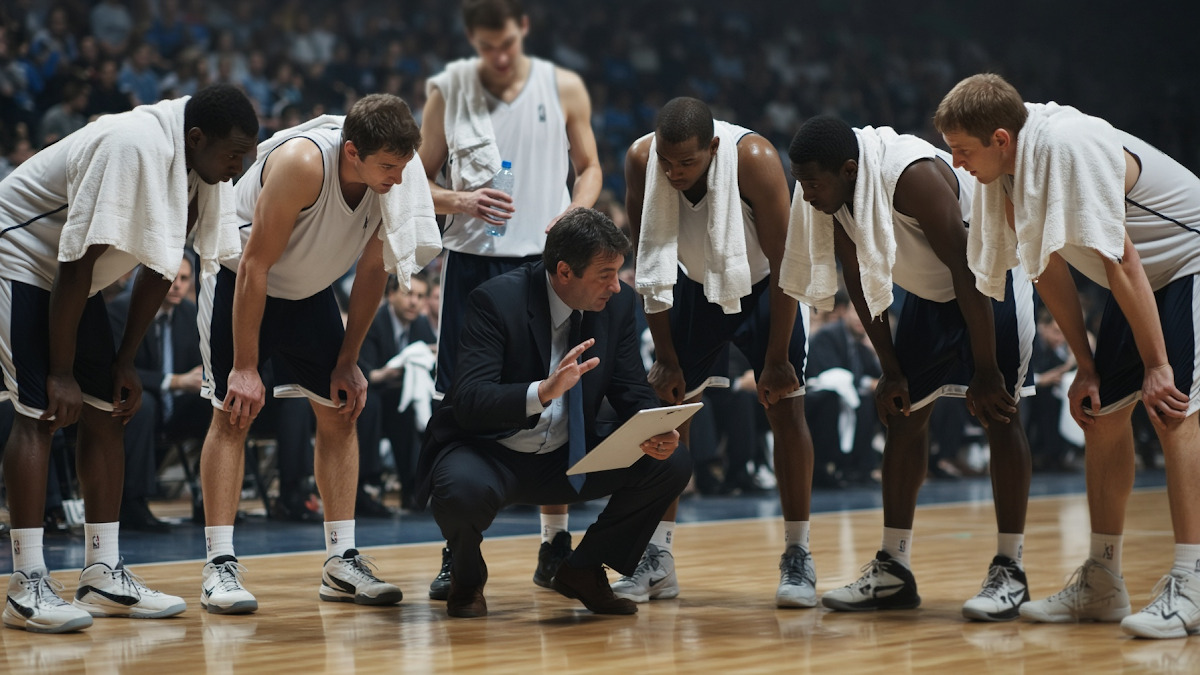
Familiarity changes the way supporters read a matchup well before it starts. People know which guard is carrying an injury long before any written report appears. Fans in the provinces sometimes check an MPBL betting site against what the gym already tells them. Odds on regional basketball move quickly because squads rotate and provincial travel is heavy. Licensed operators must also display responsible gambling warnings under new rules tightened.
Local rosters also keep young players close to the places where they grew up. A teenager from the same town can watch someone he trained with start a game. That link gives local youth programmes something concrete to aim at. Former professionals now play in the league as well, which raises the level around them. Clubs that develop their own talent tend to hold their crowds through weaker seasons, too.
Rivalries That Follow the Map
Rivalries in local leagues come from geography rather than from the standings. Two towns that share a border draw a full house every time they meet. The table below shows how different parts of a community take part.
| Who takes part | What they bring | What they get back |
| Local government | Venue support and permits | Visible investment in the town |
| Small businesses | Sponsorship and prizes | Crowds on quiet weeknights |
| Schools and barangays | Block bookings and drummers | A path for young players |
| Online fan pages | Clips, memes, and scores | A conversation that lasts all week |
Each of these groups depends on the others to stay involved. A club that loses its local sponsors cannot keep ticket prices low. One that ignores its fan pages loses the younger half of its audience. That balance is what turns a schedule of games into a habit. The healthiest programmes treat all four groups as part of the same project.
Screens That Keep the Season Going
Between gamedays, the community lives on Facebook and inside private group chats. Highlight clips reach the main feeds within about an hour of the final whistle. The same apps that carry those clips also advertise online casino games to the same audience. Fans may parse community banter from commercial ads while keeping their feeds focused on the upcoming round of matches.
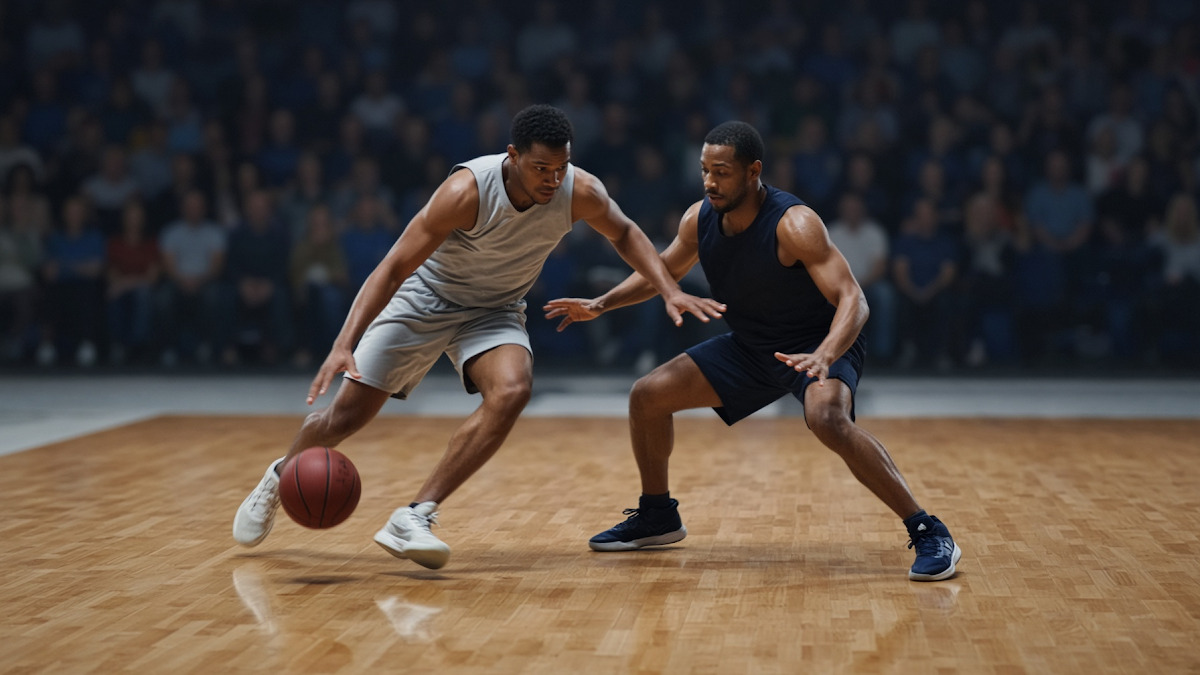
Keeping those two things apart is easy enough once a fan knows the difference. Basketball costs almost nothing to watch and fills most evenings of the week. Everything else on the same screen is a separate product with its own rules. Community pages tend to police themselves whenever the tone slips. Local clubs depend on trust, and trust is the one thing a small league cannot replace.
What a Town Gains From Its Own Team
A local league gives a province something to organise its weekends around. Cheap seats, familiar players, and short travel do most of the work. The rest happens in group chats that never really close between gamedays. Communities built this way outlast any single season or trophy.












































Beri Komentar