























































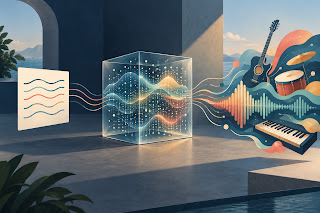
Digital creativity has become more accessible as photo-editing tools continue to evolve. What once required advanced software skills and hours of manual adjustments can now be achieved through simpler editing interfaces and AI-assisted features. From improving lighting to adding imaginative visual effects, modern tools are giving everyday users new ways to express themselves through images. This change is especially visible on social media, where profile pictures, creative portraits, and visually engaging posts have become an important part of online communication. Rather than relying entirely on complex editing techniques, users can experiment with different styles and discover what best reflects their personality.
The Growing Appeal of Creative Photo Effects
Photo effects have always played a role in visual storytelling. Filters can change the mood of an image, emphasize particular colors, or create an atmosphere that would be difficult to capture directly with a camera. Today, these effects extend beyond basic color adjustments. Creators can experiment with glowing light, dreamy backgrounds, fantasy-inspired details, and other visual elements. Such edits are popular for personal portraits, themed photography, digital artwork, and short-form social media content.
The most effective edits usually have a clear purpose. A subtle glow may help create a calm, elegant portrait, while a more dramatic effect can suit a fictional character or a playful online post. Understanding the intended mood before editing makes it easier to choose the right visual treatment.
Understanding the Angel Halo Filter Trend
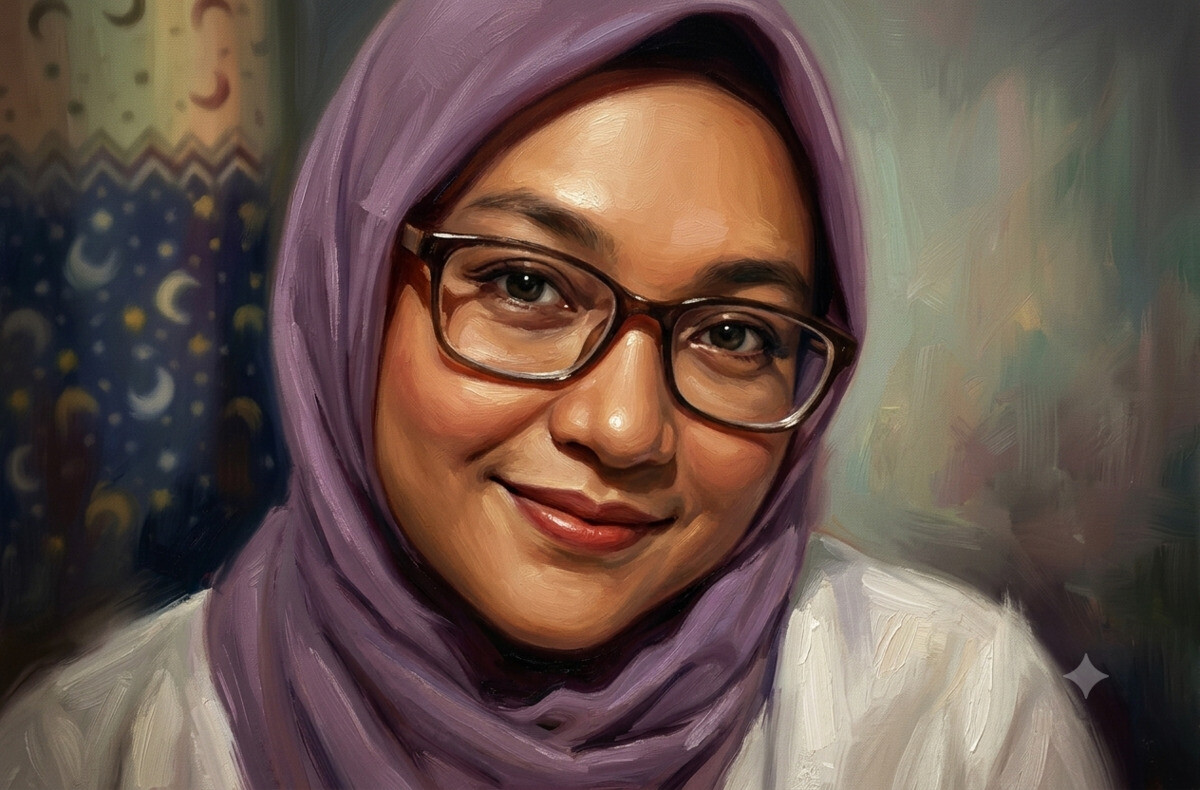
One example of creative portrait editing is the angel halo filter, which adds an angelic visual element to a photograph. A halo can give a portrait a dreamy, symbolic, or fantasy-inspired appearance without requiring the subject to wear a physical accessory. This style can work for personal selfies, artistic portraits, themed social media posts, and imaginative character designs. The result depends on how the effect fits the original photograph, including the subject’s position, the available lighting, and the overall composition.
For a convincing result, proportion matters. A halo that is too large or too bright can distract from the face, while a more restrained effect may blend naturally into the image. Matching the glow to the photograph’s lighting can also help the final edit feel more cohesive.
How to Make Photo Effects Look More Natural
Applying an effect is only one part of the editing process. A few practical choices can make the finished image look more polished. Start with a clear photograph. Images with good focus and visible facial features generally provide a better starting point for portrait editing. A simple background can also make decorative effects easier to appreciate.















































Beri Komentar