
























































Step 4: Generating, then refining
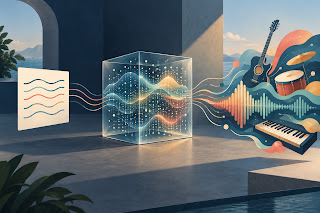
The model then builds the music step by step. Some systems predict the next slice of sound again and again, similar to how a chatbot predicts the next word. Others start from random noise and gradually “clean” it into music that matches the prompt, the same basic idea behind many AI image generators. Many modern tools combine approaches and add a final stage that improves audio quality and mixes vocals with the instruments.Because there is randomness in this process, the same prompt rarely produces the same song twice. That is why most generators give you two or more versions to choose from.
What you can control
The quality of your result depends heavily on the quality of your instruction. Most tools let you shape some or all of the following:
- Genre and sub-genre: “pop” is vague; “2000s pop-punk” or “Afrobeats with highlife guitar” is far more specific.
- Mood and energy: hopeful, tense, dreamy, aggressive, calm.
- Tempo: slow, mid-tempo, fast, or a specific BPM if the tool supports it.
- Instruments: acoustic guitar, 808 bass, string section, synth pads.
- Vocals: male, female, duet, choir, or instrumental only.
- Lyrics: your own words, or an AI-written draft that you edit.
- Length and structure: an AI music extender can continue a track from the exact point you choose, and some tools let you regenerate only one section.
What AI music does well
AI generators are very good at fast, good-enough-to-great music for everyday needs. Content creators use them for background tracks that won’t trigger copyright claims. Small businesses use them for jingles and ad music. Songwriters use them to hear a demo of an idea in minutes instead of days. Hobbyists use them to make birthday songs, inside jokes and gifts.They are also excellent at exploration. If you are not sure whether your song should be a ballad or a dance track, you can hear both versions before lunch. An AI song remix tool takes this one step further: upload a vocal you already have and hear it re-performed as lo-fi, acoustic or synth-pop.
Where it still falls short
Being honest about limits helps you use these tools well:
- Lyrics can blur. Unusual names or fast passages are sometimes pronounced oddly. Simple, clear lines work best.
- Long-form structure is hard. Short songs usually hold together; longer pieces can wander or repeat.
- Fine control is limited. You can describe a mood, but you cannot always move one specific note or change one drum hit.
- Taste is still yours. The model can generate ten options. Deciding which one actually moves people is a human job.
A quick word on copyright
Generated tracks are new audio, but usage rights depend on each platform’s terms and your plan. If you plan to use music in ads, monetized videos or commercial releases, read the license section before publishing. Avoid prompts that ask the tool to imitate a specific living artist, and only upload recordings you own or have permission to use.



















































Beri Komentar