
















































To summarize the trends:
- Search & Traffic: Google search volume for “replica watches” and “cheap Rolex” has surged in 2023–2025.
- Market Projections: Analysts at Statista expect the replica segment to grow, as counterintuitive as it may sound.
- Industry Observations: Trade reports and executives confirm the phenomenon. For example, a 2023 interview noted that “fake Rolex watches make up half the luxury replica market,” underscoring intense demand for clones.
- Relative Performance: As authentic watch prices and resale values have dipped (e.g. a 20% drop in a leading pre-owned watch index), clones have remained stable, making them relatively more attractive.
These indicators together suggest that while official watch sales stagnate, alternative channels are thriving. In a business environment where brands warn of tightening demand, replica providers are reporting growing interest.

Why Consumers Are Turning to Clones
Multiple factors drive this shift toward replicas:

- Affordability and Accessibility: The most obvious is price. Genuine luxury watches often cost thousands (or tens of thousands) of dollars, putting them out of reach for most. In contrast, a super clone that looks nearly identical can cost a few hundred. As one observer notes, replicas “offer a way to enjoy the aesthetics of high-end timepieces without the financial burden”. For value-conscious shoppers in uncertain times, this is hugely attractive.
- Changing Value Perceptions: Many younger consumers and middle-class buyers emphasize style over authenticity. They admire the design and prestige of a brand like Rolex or Patek Philippe, but care less about provenance. To them, a well-made clone provides the desired image at a fraction of cost. This “enthusiast bootstrapping” lets them participate in the luxury narrative without the markup – effectively getting a similar look with minimal investment.
- Investment Considerations: Luxury watches were once seen as investment pieces, holding or growing in value. But recent market drops have shaken that notion. Faced with two years of falling secondary prices, even affluent collectors are more cautious. Some use clones as a “test drive” – wearing a replica to decide if a particular model’s style and heft truly appeal before risking real money.
- Social and Psychological Factors: Luxury timepieces often symbolize status. Not everyone wants to admit their watch is a replica, but social media influencers and peer groups sometimes blur the lines of authenticity. In lifestyle or fashion circles, an affordable “good copy” can satisfy the ego similarly to the real thing, especially as counterfeit identification becomes harder. In fact, experts warn that high-grade clones are now so convincing that even trained inspectors only spot ~20% of them on sight.
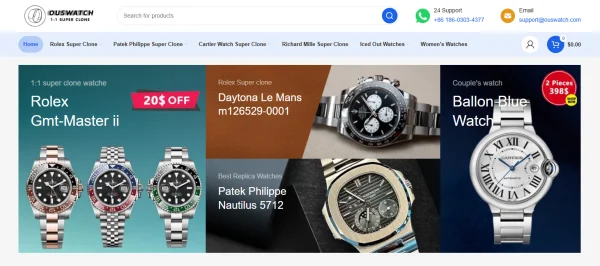
- Technological and Logistical Ease: The internet and global shipping make acquiring a clone seamless. A buyer in Europe or the US can order a “Super clone” Rolex or Patek through e-commerce, often with discreet packaging and direct delivery. This ease reduces the friction that once existed (think shady street markets). Meanwhile, online reviews and unboxings provide assurance, so more consumers feel comfortable making such purchases sight unseen.
In short, clones appeal because they satisfy the same desires as luxury watches (design, status, novelty) but with much less expense. The upscale quality of modern replicas (especially Super clones) means consumers feel they’re not sacrificing much in return for huge savings.

Industry Implications and Outlook
The rise of the replica market amid a luxury downturn presents a paradox. On one hand, it directly eats into potential sales of authentic brands – every clone purchase is one less sale or secondhand pick-up for Rolex, Omega, etc. On the other hand, it signals that brand influence remains very strong: the demand for clones is itself a testament to the desirability of these designs.Luxury houses have responded by emphasizing exclusivity and anti-counterfeit measures (micro-etched logos, blockchain IDs, etc.), but such steps are slow to reach consumers and do little to alter the immediate economic drivers at play. With official channels tightening, the secondary and grey markets will also feel pressure: a Watchfinder report found up to 10% of watches received were knockoffs, highlighting how pervasive high-quality fakes have become even among dealers.
Banda Aceh

Kota Langsa
Aceh Selatan

Aceh Tenggara
Bali
Banten

Bengkulu
DI Yogyakarta
Jakarta Pusat
Jambi

Kalimantan Barat

Kalimantan Selatan
Kalimantan Timur
Kalimantan Utara

Kalimantan Tengah
Lampung
Nusa Tenggara Barat
Palu
Pangkal Pinang
Riau
Sumatera Selatan
Sumatera Utara
Sumatera Barat
Kepulauan Bangka Belitung
Kepulauan Riau
Jawa Barat
Jawa Tengah
Jawa Timur