


















































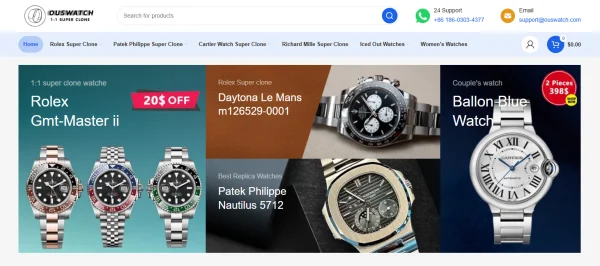
The outlook for luxury goods in 2025 is decidedly chilly – yet one segment is bucking the trend. As major watchmakers report steep declines, demand for high-end replica and
watches is surging. Globally, luxury watch sales have plummeted amid economic headwinds, but

alternatives are gaining traction. Analysts describe this as a form of “downtrading” or consumption downgrade: cash-strapped buyers still crave luxury styles, but opt for far cheaper imitations. Recent data shows Swiss watch exports fell nearly 3% in 2024 and industry bellwethers Richemont and Swatch saw sales drop 8–12%. In contrast, Google Trends and market surveys indicate search interest in terms like “replica watch” is rising sharply. In short, as genuine luxury timepieces lose some of their luster in a cooling economy,

are heating up the market.
Global Watch Sales in Decline: Evidence of a Luxury Slowdown
The luxury watch sector entered a down-cycle in 2024, breaking years of boom. Official figures paint a stark picture: Swiss watch exports fell by about 2.8% for the year, ending a streak of record growth. Sales drops were especially dramatic in Asia – Greater China saw declines of roughly 26–30% – but Western markets weren’t immune. Industry reports show Richemont’s watch brands (e.g. Vacheron, IWC) were down ~8%, and Swatch Group’s watch business fell ~12% in 2024. Even luxury conglomerates are warning of a new slump: a Bain/Altagamma study noted global personal luxury spending was flat or slightly negative in 2024, the first drop since 2008. They attribute this to inflation, economic uncertainty, and a “shrinking luxury customer base”.Put simply, affluent consumers are pulling back. The Bloomberg Subdial Watch Index of pre-owned timepieces has fallen nearly 20% since mid-2023, reflecting broad weakness. For example, a second-hand Audemars Piguet Royal Oak Jumbo (one of the most coveted models) saw its price plunge by over 35% year-over-year. Such steep declines underscore that even established luxury watches are losing value, making the steep prices of new models harder to justify. In this environment of “luxury winter,” buyers who once eagerly paid premium prices are hesitating – and some are turning to replicas instead.

Consumption Downgrading: Trading Down to Affordable Alternatives
Economists call this pattern “consumption downgrading.” Faced with inflation and stagnant incomes, many middle-class shoppers in North America and Europe are cutting back on big-ticket items. A 2024 Bain report found that new watch sales “slowed due to consumer downtrading and selectivity”. Instead of buying a new Rolex or Omega, budget-conscious enthusiasts explore cheaper paths to style. This mirrors broader trends in luxury: younger consumers are less brand-loyal and value “small indulgences” over ultra-high-priced goods.For watches specifically, this means seeking affordable luxury. Some downsizing buyers might buy entry-level luxury brands, or pre-owned pieces, but many are now looking at high-quality replicas – watches that closely mimic expensive brands at a fraction of the price. This is especially true as rising retail prices and limited discounts have eroded the value proposition of genuine luxury timepieces. In short, with authentic watches becoming almost too costly or speculative, replicas offer a compelling alternative.
Banda Aceh

Kota Langsa
Aceh Selatan

Aceh Tenggara
Bali
Banten

Bengkulu
DI Yogyakarta
Jakarta Pusat
Jambi

Kalimantan Barat

Kalimantan Selatan
Kalimantan Timur
Kalimantan Utara

Kalimantan Tengah
Lampung
Nusa Tenggara Barat
Palu
Pangkal Pinang
Riau
Sumatera Selatan
Sumatera Utara
Sumatera Barat
Kepulauan Bangka Belitung
Kepulauan Riau
Jawa Barat
Jawa Tengah
Jawa Timur