
























































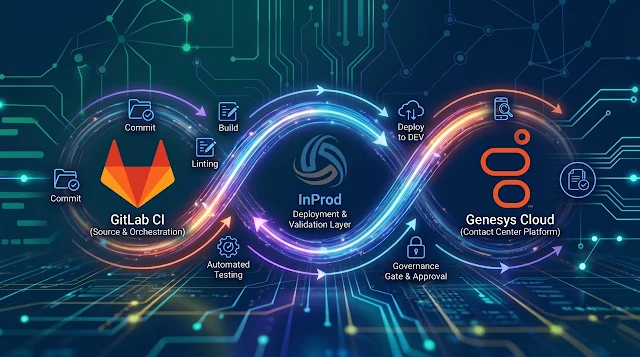
This process introduces friction, but it is a necessary, protective friction. It forces teams to think about the impact of their changes and ensures that no single person is pushing undocumented updates into production. Validating code continuously against a central repository reduces integration problems and allows teams to develop cohesive software more rapidly.
Designing the Deployment Workflow
With configuration stored in version control, the next step is automating the deployment process. The best approach is to use the orchestration tools your engineering team already knows and trusts. The pipeline should listen for changes in the repository and automatically trigger a validation process. This validation step is critical. It must check the syntax of the configuration files and verify that the target environment contains all necessary dependencies.

For teams standardizing on modern DevOps tooling, building these automated workflows is straightforward. Organizations that scale their deployment operations often rely on standardized stages to cut down on maintenance overhead and create predictable release cycles across all engineering disciplines. While GitLab CI manages the workflow logic, integrating a specialized deployment layer like InProd translates these repository changes into safe, validated configuration updates. A properly configured Genesys Cloud CI/CD with GitLab CI pipeline relies on environment variables to map changes securely across stages and generate immutable audit records.

Enforcing Deployment Governance and Promotion Gates
A GitLab CI configuration management pipeline should not just blindly push changes from source control into production. It needs structured promotion gates to enforce deployment governance. A standard progression moves changes through Development, User Acceptance Testing, and finally Production.
In the Development environment, engineers test their configuration changes in isolation. Once the code merges into the main branch, the pipeline deploys it to the UAT environment. Here, business stakeholders can verify that the new routing logic behaves as expected using real test calls and simulated volume.

Moving from UAT to Production should never be fully automated for critical infrastructure. The pipeline must pause and wait for a manual approval gate. A release manager or operations lead reviews the automated validation results and the deployment plan. They click a button to authorize the final deployment. This step provides the necessary deployment governance and creates a clear audit trail of who approved the release.
Banda Aceh

Kota Langsa

Aceh Selatan

Aceh Tenggara
Bali

Banten
Bengkulu

DI Yogyakarta
Jakarta Pusat
Jambi
Kalimantan Barat
Kalimantan Selatan
Kalimantan Timur
Kalimantan Utara
Kalimantan Tengah

Lampung
Nusa Tenggara Barat
Palu
Pangkal Pinang
Riau
Sumatera Selatan
Sumatera Utara
Sumatera Barat

Kepulauan Bangka Belitung
Kepulauan Riau
Jawa Barat
Jawa Tengah
Jawa Timur


































































































Komentar Terbaru