







































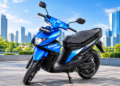















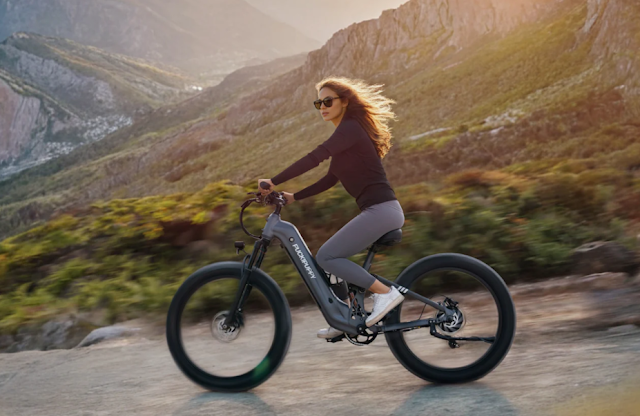
Full suspension may improve comfort on rough roads, but it may add unnecessary weight for someone riding only on smooth cycle paths. Fat tyres can improve mixed-surface confidence, yet a narrower tyre may roll more efficiently in a purely urban environment.
The same applies to speed. A rider travelling a few miles through congested city streets may gain little from higher assisted performance.
Buyers should therefore begin with the route rather than the specification sheet.

How far is the normal ride? Are there hills? Is the surface consistently paved? Will the bike need to be lifted? Where will it be stored? Are higher assisted speeds and throttle operation permitted on the roads and trails being used?
The answers determine whether additional performance creates useful capability or simply adds cost and weight.
Why Will Regulations Shape the Category?
Fast e-bikes sit closer to the boundaries of existing vehicle classifications than many conventional commuter models.Rules governing motor output, throttles, assisted speed, helmets and route access differ between countries and can also vary between states, cities and individual trail systems.
This means manufacturers and buyers cannot treat technical capability as the same thing as legal riding access.

A bike may be physically capable of a certain assisted speed while local regulations require a lower setting or prohibit its use on a particular path.
As performance e-bikes become more common, clear information about classification and permitted use will become increasingly important. Buyers should check local rules before choosing a model and again before taking it onto unfamiliar trails or public land.
Performance is valuable only when riders have an appropriate place to use it.

Where Is the Fast E-Bike Category Going Next?
The next stage of fast e-bike development is likely to focus less on simply increasing speed and more on improving the systems around it.Battery efficiency can extend usable range without endlessly increasing battery size. More responsive sensors can make strong motors easier to control. Improved braking systems can manage heavier bikes more confidently, while better suspension can broaden the surfaces riders are comfortable exploring.
Frame design will continue to matter as well. Step-through models demonstrate that performance does not have to be limited to one traditional bike shape.
This evolution reflects a larger change in personal mobility. Riders increasingly expect one electric vehicle to handle more than a single narrowly defined trip.
Banda Aceh

Kota Langsa

Aceh Selatan
Aceh Tenggara
Bali

Banten
Bengkulu
DI Yogyakarta
Jakarta Pusat
Jambi
Kalimantan Barat
Kalimantan Selatan
Kalimantan Timur

Kalimantan Utara
Kalimantan Tengah
Lampung
Nusa Tenggara Barat
Palu
Pangkal Pinang
Riau
Sumatera Selatan
Sumatera Utara
Sumatera Barat
Kepulauan Bangka Belitung
Kepulauan Riau
Jawa Barat
Jawa Tengah
Jawa Timur






























































































Komentar Terbaru